Legal blog
Legal Liability in the Event of Digital Harm or Cyber Fraud

In reality, liability in some cases may extend to multiple parties involved in this digital interaction, as harm is no longer confined to the physical realm but clearly extends into the digital space.
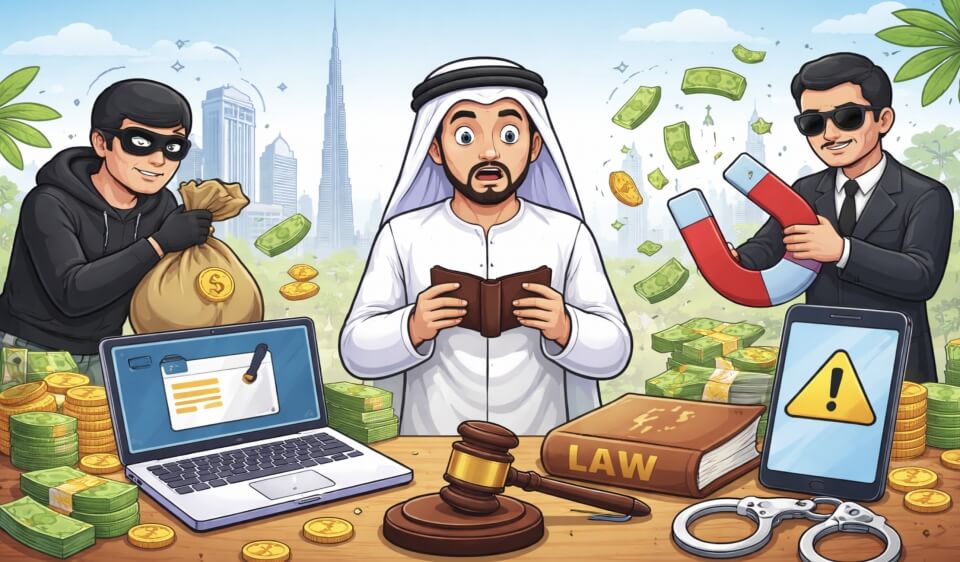
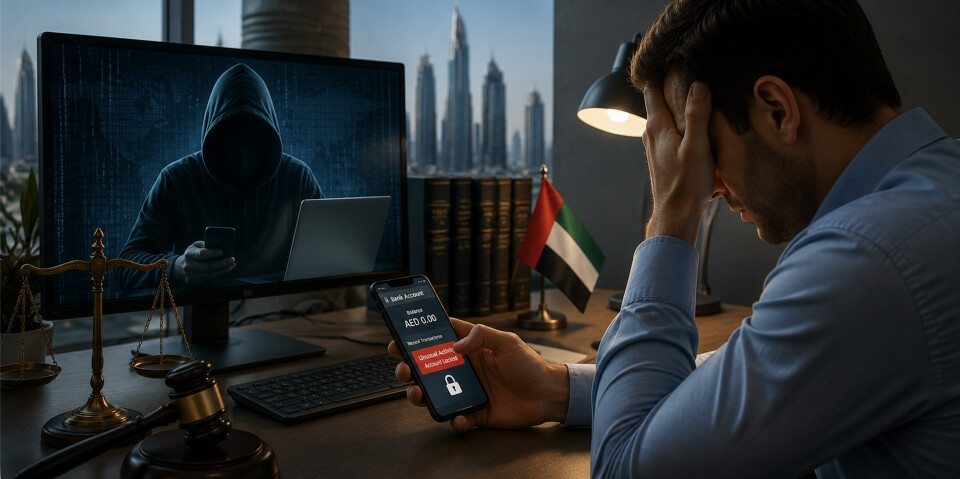
With this rapid digital transformation, electronic platforms, social media sites, and smart applications have become environments where legally actionable harm can occur, affecting both individuals and companies. As the scope of this digital interaction expands, the need for a legal framework to regulate this space and define the limits of liability in the event of digital harm or cyber fraud has become evident. Recognizing these challenges early on, the UAE legislator developed a comprehensive legislative system to address cybercrimes, aiming to protect the digital community and enhance trust in electronic transactions.
I. Damages Resulting from Harmful Digital Content
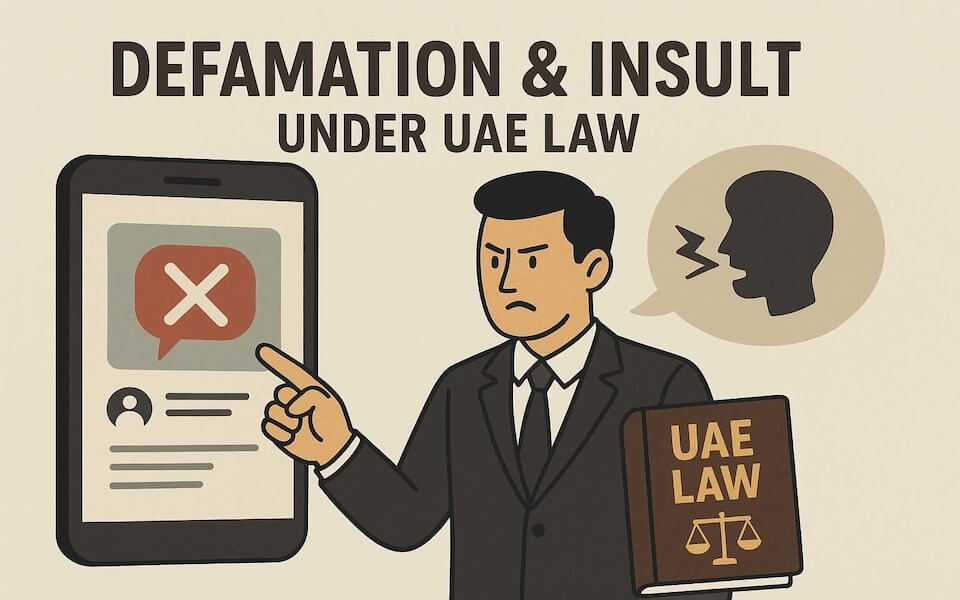
Harmful digital content encompasses anything published or circulated through electronic means that causes harm to others, whether material or moral. Such content may take various forms, including the dissemination of rumors or misleading information, acts of defamation or slander via digital platforms, violation of privacy, or publishing personal information without consent, as well as content that contravenes public order or public morals. It may also include manipulation of information or misleading the public for unlawful gain.
Federal Decree-Law No. 34 of 2021 on Combating Rumors and Cybercrimes criminalizes such acts, imposing the necessary penalties to protect individual reputation and public interest. It is important to note that legal liability in this context is not limited to the creator of the harmful content alone but may also extend to anyone involved in sharing, redistributing, or promoting it, if it is proven that they were aware of its unlawful or harmful nature.
II. Liability of Companies, Developers, and Users
Companies owning applications and websites bear legal responsibility if they fail to remove unlawful content after becoming aware of it, fail to implement adequate technical measures to prevent misuse of their platforms, or fail to protect user data from unauthorized access or exploitation.
Developers and system designers may be held liable if the technical design of an application or system facilitates illegal actions, or if recognized digital security and safety standards are disregarded.
Meanwhile, the user remains directly responsible for the content they publish or share online, as using digital means does not exempt one from legal obligations. Ignorance of legal rules does not constitute a valid defense in the event of harm.
III. Sanctions for Cybercrimes
The UAE legislator has established deterrent penalties to address cybercrime, aiming to protect society and strengthen trust in electronic transactions. These penalties include imprisonment for serious cyber offenses and financial fines, which may reach substantial amounts. Penalties are further increased in cases of cyber fraud or deliberate misuse of digital means to cause harm to others.
Legal consequences are not limited to criminal liability; civil liability may also arise, allowing the aggrieved party to claim compensation for damages, whether material or moral, in accordance with the provisions of the UAE Civil Transactions Law.
Conclusion
The UAE legislative experience confirms that the digital space is not beyond the reach of the law but constitutes a natural extension of the legal framework governing relationships between individuals and institutions.
Any use of digital means that results in harm or fraud may trigger legal liability for the perpetrator, whether an individual, a company, or a technological entity. Therefore, it is essential to:
- Promote a culture of digital legal compliance.
- Enhance awareness of the rules governing technology use.
- Achieve a balance between benefiting from digital advancement and protecting legal rights in the virtual environment.
Reference:
Federal Decree-Law No. 34 of 2021 on Combating Rumors and Cybercrimes
Written by:
Ahmed Harb | Ahmed Harb for Legal Consultancy










This publication is for general information purposes only. It does not purport to provide comprehensive full legal or other advice.
Legal Advice Middle East and the contributors accept no responsibility for losses that may arise from reliance upon information contained in this publication. This publication is intended to give an indication of legal issues upon which you may need advice.
Full legal advice should be taken in due course from a qualified professional when dealing with specific situations.